
South Carolina is no longer just a pit stop on America's auto map; it is becoming an engine driving the industry forward. What began as a single-plant success story has grown into a statewide manufacturing powerhouse. By decade's end, the state is expected to have capacity to assemble roughly one million vehicles a year, placing it among America's top automotive production centers. Detroit may have written America's automotive story, but South Carolina is making the case that the next chapter comes with a Southern accent.
The bigger story is not the volume. It's the range. South Carolina is on track to reach 1,000,000 vehicles that move people, goods, workers, equipment, and communities.
The math makes the case compelling:
-
BMW – Spartanburg: the foundation, with capacity for up to 450,000 vehicles annually
-
Scout Motors – Blythewood (planned): could add 200,000
-
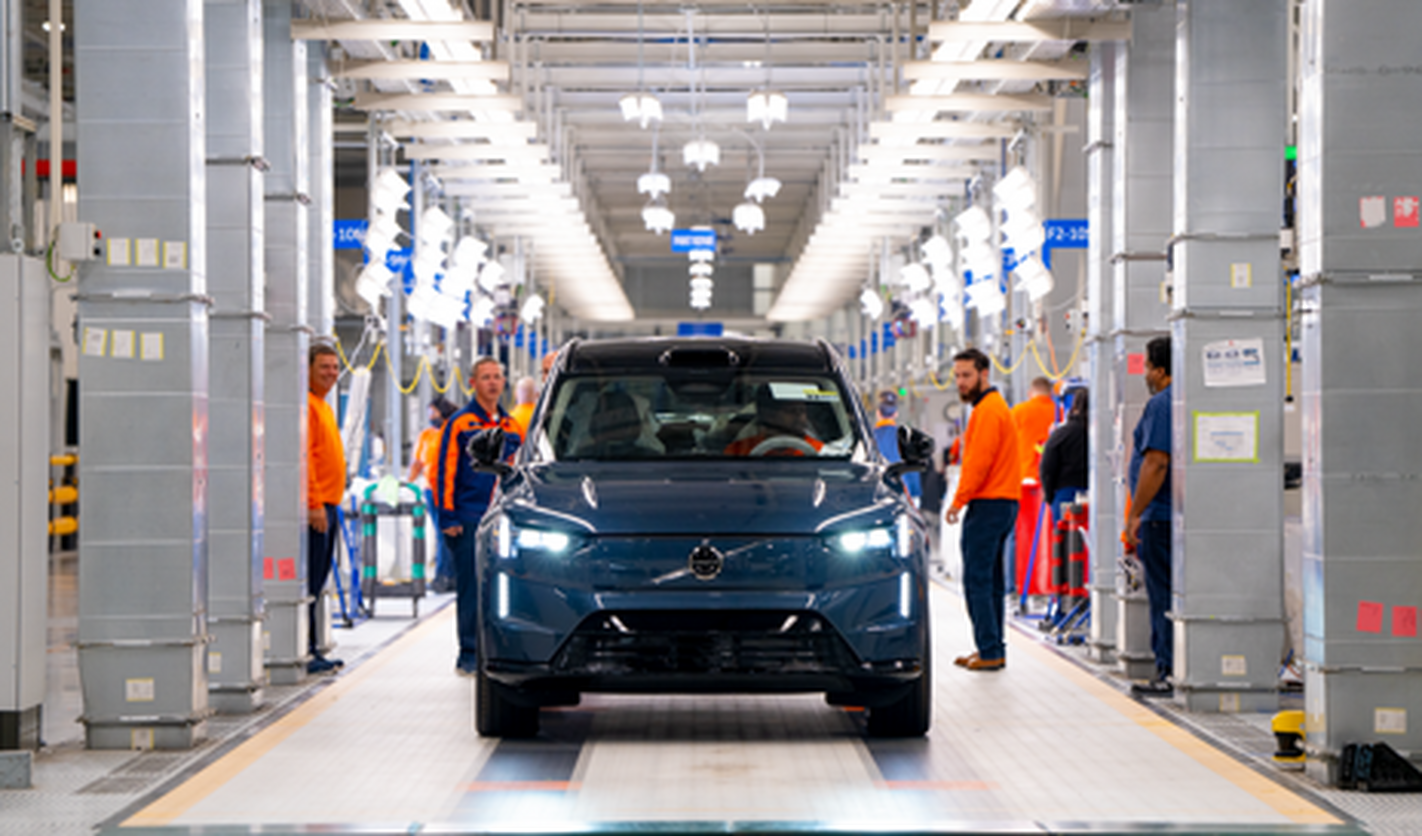
Volvo Cars – Ridgeville: contributes 150,000
-
Honda – Timmonsville: adds 100,000 side-by-side vehicles
-
Isuzu – Greenville County (planned): expected to reach 50,000 by 2030
-
Mercedes-Benz Vans – Charleston region: adds 50,000+ Sprinter and eSprinter vans
Together, those operations put South Carolina near the million-vehicle mark before fully counting Oshkosh Defense, Bintelli Electric Vehicles, Atlas Carts, Honor LSV, or Columbia Vehicle Group.
That distinction matters. South Carolina is not leaning on one giant automaker and hoping the numbers work. It is building a vehicle-production network across companies, regions, and categories. The Upstate has BMW, Isuzu, and Oshkosh Defense. The Midlands are gaining Scout Motors and Blythewood. The Lowcountry is anchored by Volvo, Mercedes-Benz Vans, Bintelli, and Honor LSV. The Pee Dee is anchored by Honda in Timmonsville, while Williston, and Aiken County show smaller communities can join the mobility economy.
The state is not simply chasing the next car plant. It is building a full mobility ecosystem. More vehicle capacity means more supplier demand, logistics activity, technical training, electrification opportunities, and use of ports, rail, interstates, inland hubs, and workforce pipelines. Reaching one million vehicles a year is not guaranteed; capacity has to become production, which depends on launches, labor, supply chains, and demand. But South Carolina has assembled the pieces.
The advantage is no longer building one kind of vehicle well. It’s building many kinds of vehicles for many markets at a scale few states can match, from Spartanburg to Blythewood, Ridgeville to Timmonsville, Charleston to Williston, Florence to Aiken. That's not just horsepower. It’s traction.